
Understanding Soil Types Before You Start Digging on Site

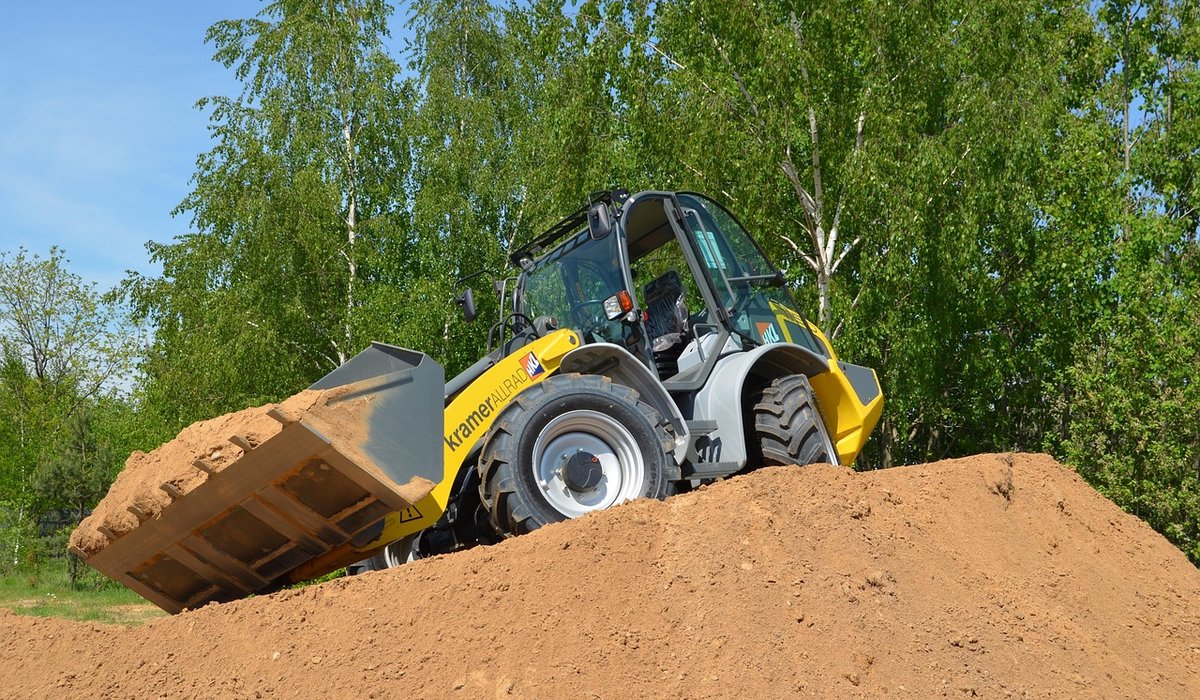
The Ground Decides More Than You Do
Every excavation is a conversation with the soil, and it pays to know who you are talking to before the first bucket goes in. A trench that stands beautifully on one part of a site can collapse within minutes a hundred metres away, and the difference is rarely the machine — it is the ground. Whether you are working in sand, clay, chalk, silt or made ground shapes everything: the excavator you hire, how you support the sides, where the spoil goes, how you dewater, and what the drainage designer can realistically promise.
Sandy and Granular Soils: Free-Draining but Quick to Move
Sands and gravels are the dream for drainage and the nightmare for trench stability. Water moves through them freely, so soakaways and infiltration basins usually perform well, but the same permeability means groundwater can appear quickly and the sides have little cohesion to hold themselves up.
- Batter back at a shallow angle or support with trench boxes — vertical faces in loose sand rarely stay vertical.
- Expect to dewater. Sump pumping may be enough, but running sand often needs wellpoints or a proper drawdown design.
- Pick a machine that handles wet, mobile material — a tracked 360 with good reach gives you options a smaller machine will not.
- Beware of fines. Sand with a silt or clay fraction looks free-draining but can silt up a soakaway over time.
Clay: Heavy, Sticky, and Strong Until It Isn't
UK clay — London Clay, Oxford Clay, boulder clay, the weathered clays of the Midlands — is cohesive, which is both a gift and a trap. A well-cut clay trench can stand unsupported for a surprisingly long time, tempting you to skip support. Then rain arrives, or the clay dries and shrinks, or vibration from a nearby machine opens a tension crack, and a block comes away without warning.
Clays are heavy, so expect lower productivity, more spoil on the road (bulking factors of 20 to 40 per cent are common), and buckets that clog without a decent release angle. In wet weather, tracked machines churn the surface into slurry, so plan haul routes and consider temporary stone. Clay also moves with the seasons, swelling when wet and shrinking when dry — which matters for foundation depth, service runs and drain inverts. Ask for plasticity index and moisture content results rather than guessing from a handful of spoil.
Chalk: The One That Surprises People
Chalk underlies much of southern and eastern England and behaves like nothing else. Intact, low-density chalk can look solid and excavate cleanly; structureless or reworked chalk turns into a putty-like material that loses strength fast and is miserable to work in. Flint bands blunt teeth and slow progress, while fissures and solution features carry water unpredictably — a trench can fill from a fissure you never saw. Chalk is also a sensitive aquifer, so dewatering discharge and fuel storage need thought before you start. It drains reasonably well, though a weathered or fines-rich upper layer can reduce infiltration for a soakaway.
Silt, Peat and Made Ground
Silt sits awkwardly between sand and clay and is often running ground: it flows into excavations and is notoriously unstable. Peat is worse — highly compressible, very low strength, and unsuitable for supporting anything without treatment. Made ground is the wild card, from brick rubble and ash to old foundations and drains, and it may contain contaminants that change your waste classification and disposal route entirely. On any brownfield site, treat the ground as variable until proven otherwise.
Turning Soil Knowledge into Machine and Design Choices
Good decisions start with a desk study and site investigation: historical maps, geological records, trial pits, window samples or boreholes, plus buried service records. A cable avoidance scan and a safe digging plan in line with HSG47 should be non-negotiable. Then match method to material:
- Machine choice: tracked excavators for soft, wet or uneven ground; wheeled machines only where traction and ground conditions allow.
- Support: trench boxes or hydraulic shoring in granular ground, battered or stepped faces in firm cohesive soils — and a temporary works plan wherever people enter an excavation.
- Drainage: soakaway testing to BRE 365 is essential in sand and chalk, and largely a waste of time in heavy clay where attenuation or a connection will be needed.
- Disposal: clay bulks up, granular soils shrink, and made ground needs testing before it leaves site.
Take half an hour with a spade, a jar and some water before the plant arrives: roll the soil between your fingers, see how it holds together, and watch how it drains. It is a small habit that pays for itself on every job.

Joeby Ragpa
This template is so awesome. I didn’t expect so many features inside. E-commerce pages are very useful, you can launch your online store in few seconds. I will rate 5 stars.
ReplyAlexander Samokhin
This template is so awesome. I didn’t expect so many features inside. E-commerce pages are very useful, you can launch your online store in few seconds. I will rate 5 stars.
ReplyChris Root
This template is so awesome. I didn’t expect so many features inside. E-commerce pages are very useful, you can launch your online store in few seconds. I will rate 5 stars.
Reply