
Selecting a Mini Digger for Landscaping Work

Why a Mini Digger Makes Sense in a Garden
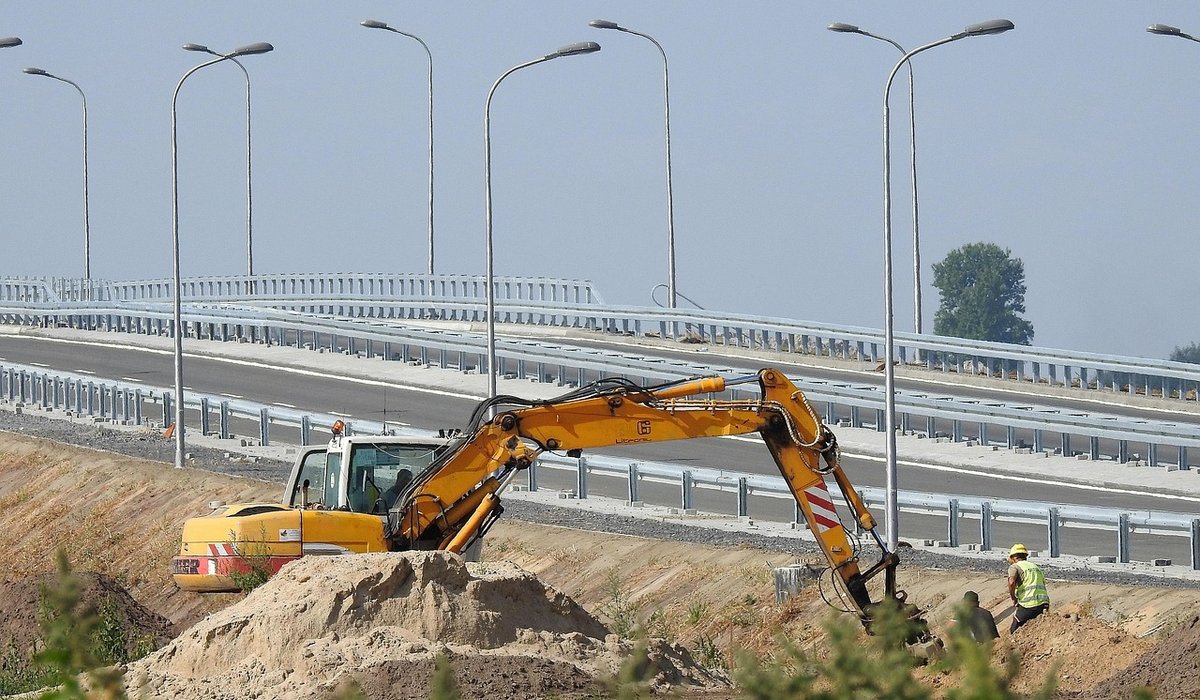
Nothing transforms a landscaping job quite like a compact excavator. A machine that squeezes through a side gate can lift a tonne of spoil, cut a drainage run in an afternoon and dig footing trenches that would take two people a fortnight with a spade. For patios, ponds, soakaways, retaining walls, fence lines and planting schemes, the time saving is enormous — and the finish is often neater because you are not churning the ground by hand. The trick is hiring the right size and configuration rather than the nearest available machine.
Track Width and Weight Class Decide Everything
Access is the first constraint, not power. Measure the narrowest point on the route — the gate, the alley, the gap between shed and fence — and work from there. Remember the machine has to get back out again, usually with a bit of mud on the tracks.
- 0.8 to 1 tonne (micro): typically 700–800 mm wide, and some have expanding tracks that retract to around 750 mm. Ideal for rear gardens behind a standard gate, but lift capacity and dig depth are modest.
- 1.5 to 1.8 tonne: the hire workhorse, roughly 1 m wide with a dig depth around 2.2–2.5 m. Tows behind a suitable van or 4x4 on a plant trailer.
- 2.5 to 3 tonne: noticeably more reach and stability, but you will want around 1.5 m of clearance and a low loader or a driver with the right licence and towing weight.
Check what is underneath the route, too. Block paving, resin-bound drives and a decent lawn will not thank you for a three-tonne machine. Rubber tracks are far kinder to finished surfaces than steel, and ground protection boards or sheets of ply spread the load further. Watch for low branches, overhead cables and manhole covers that will not take weight.
Reach, Dig Depth and Tail Swing
Brochure figures are measured from ground level with a straight bucket, and real working depth is usually 200–300 mm shallower once you allow for the angle of the dipper arm and a flat trench bottom. Look at three numbers: maximum digging depth, reach at ground level, and dump height. That last one matters if you plan to load a skip or a dumper rather than just spoil alongside.
Tail swing is the other consideration. A conventional machine swings its counterweight out over the rear tracks; a zero-tail-swing model keeps everything within the footprint. Working along a boundary fence or in a tight courtyard, that removes a lot of stress and a lot of scraped render. Check the bucket range as well — a 300 mm trenching bucket, a 450 mm general-purpose bucket and a wider grading bucket will cover most garden work, and having all three on site saves swapping trips.
Attachments Do the Clever Work
A mini digger is really a hydraulic power pack, and the attachments decide which jobs it can actually finish. If you have fencing or a planting scheme, an auger will save hours of graft.
- Augers for fence posts, tree planting and small footings.
- Hydraulic breakers for concrete paths, kerbs and stubborn root balls.
- Grading buckets and tilting hitches for levelling sub-bases accurately without endless hand raking.
- Rippers and grabs for compacted ground and for handling logs, stone and brash.
Before you promise yourself an attachment will work, check the machine's auxiliary hydraulic flow and whether the circuit is single or double acting. Most hire attachments come with their own quick hitch, so confirm it matches the carrier you are hiring.
Hiring by the Day or the Week
Weekly rates typically work out at around three to four day rates, so if the job is likely to run long, book the week and relax. Ask what is included: fuel policy, damage waiver, VAT, buckets, grease gun, and transport. Delivery on a low loader adds a meaningful cost; collecting on a trailer is cheaper if you have the towing capacity and the right licence entitlement.
- Confirm the fuel type and tank level on collection, and photograph the machine before you use it.
- Ask about breakdown cover and how quickly a replacement would arrive.
- Book early in spring and summer — the small machines are the first to go.
- Check whether the hire company asks for a competency certificate or a short handover on the controls.
Allow a little time on day one to get used to the joysticks, the tracking and the offset boom if there is one. Most operators are comfortable within half an hour, and it is far better to learn on open ground than beside a conservatory.
Practical Checks Before You Break Ground
Arrange a buried services check before the first bucket goes in, and hand dig carefully anywhere near a marked line. Plan where the spoil is going: a stockpile within easy reach of the bucket, or a powered dumper running to a skip, will keep the job moving. Barrowing muck across a lawn all day is the fastest way to ruin a good schedule.
Protect the route in and out, brief everyone on the exclusion zone, and keep children and pets well clear whenever the engine is running. On slopes, track with the bucket low and the machine pointing up or down rather than across. Never undermine a boundary wall, a retaining structure or the base of a fence post you intend to keep. Done sensibly, a well-chosen mini digger turns a fortnight of hard labour into a couple of satisfying days.

Joeby Ragpa
This template is so awesome. I didn’t expect so many features inside. E-commerce pages are very useful, you can launch your online store in few seconds. I will rate 5 stars.
ReplyAlexander Samokhin
This template is so awesome. I didn’t expect so many features inside. E-commerce pages are very useful, you can launch your online store in few seconds. I will rate 5 stars.
ReplyChris Root
This template is so awesome. I didn’t expect so many features inside. E-commerce pages are very useful, you can launch your online store in few seconds. I will rate 5 stars.
Reply